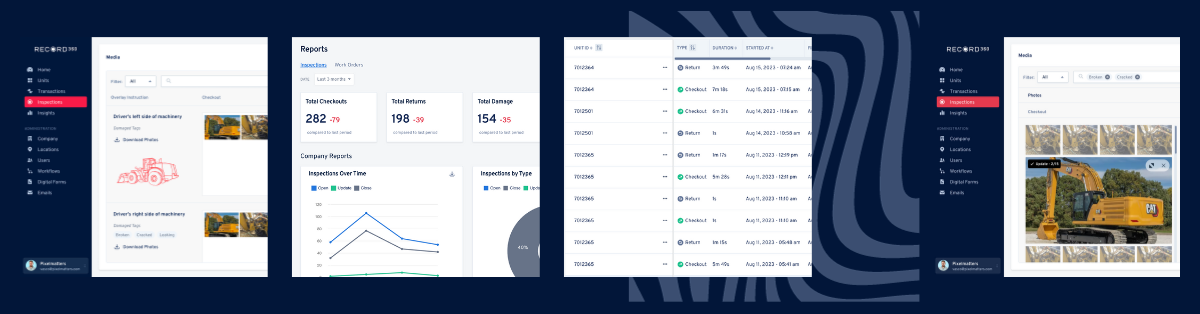
See Record360 at Bauma 2025: April 7-13, Munich, Booth C4-719

Archives for November 2023

Keeping Your Farm Equipment in Top Shape: The Lowdown on Agricultural Machinery Inspection

When you run a farm, your heavy-duty machinery isn’t just equipment; it’s the backbone of your operation. Whether it’s tractors, plows, or harvesters, these machines are the workhorses that help you get things done. But to ensure they keep chugging along smoothly, you’ve got to give them some TLC through regular agricultural machinery inspections. In this article, we’re breaking it all down so you know why it’s important, how it’s done, and what’s in it for you.

Why Bother with Agricultural Machinery Inspection? 

Smooth Sailing

Let’s face it: nobody likes a breakdown in the middle of a busy day on the farm. Regular inspections are your ticket to preventing that headache. They help spot minor issues before they become costly problems, keeping your machinery running like a well-oiled machine.

Safety First 

Your farm should be safe for everyone, including your trusty machinery operators. Inspections are your insurance policy against accidents waiting to happen. You’re ensuring a secure working environment by nipping safety hazards in the bud.

Prolonging Machine Life

Farm equipment isn’t cheap, so making it last is smart. Regular check-ups and maintenance can extend the life of your machinery, saving you from the hefty price tag of replacements.

How the Inspection Process Works 

Getting Ready 

Before rolling up your sleeves, gather your tools and ensure your safety gear is on. It’s essential to have everything in place before diving into the inspection.

Taking a Good Look 

Start with a visual inspection. There is no need for a magnifying glass; give your machinery a once-over. Check for worn-out bits, loose screws, or any visible damage. Pay close attention to belts, hoses, and connectors – they’re like the MVPs of your equipment.

Putting it to the Test 

Time to fire things up! Operate each part of your machinery to see if it runs as it should. Listen for weird noises, watch for leaks, and ensure everything’s in working order.

Fluids and Lube Check 

Lubrication keeps things running smoothly, so don’t forget to check your fluids. Oil, coolant, and hydraulic fluids need to be at the proper levels. Top them up if needed; your machinery will thank you for it.

Keep Records

Don’t forget to document your inspection findings. It’s like keeping a diary for your machinery but more serious. Note what you find, fix, and when you did it. It’s handy for tracking the health of your equipment over time.

Must Read: The Importance of Mobile Heavy Equipment Maintenance Software for Field Technicians

The Perks of Regular Inspection

Saving Cash 

Fixing minor issues before they become big problems can save you big bucks. Regular maintenance is usually way cheaper than dealing with a massive breakdown.

Boosting Productivity 

Well-maintained machinery runs like a champ, helping you get work done faster and more efficiently. That can seriously up your farm’s output game.

Peace of Mind 

Knowing your equipment is in tip-top shape brings a sense of calm to your farm life. No more worrying about unexpected hiccups – you can focus on farming with confidence.

Must Read: Why equipment videos and photos are important for equipment inspections

Ready to Get Started with Agricultural Equipment Inspections?

If you’re ready to take the plunge and keep your farm machinery in excellent condition, consider using Record360 Agricultural Equipment Inspections. Their easy-to-use platform streamlines the inspection process, making keeping track of your equipment’s health a breeze.

With Record360, you can:

  • Schedule inspections with ease.
  • Document findings and maintenance actions effortlessly.
  • Stay on top of your equipment’s condition over time.
  • Ensure the safety and efficiency of your farm operations.

Please don’t wait until your machinery throws a fit; give it the attention it deserves for a smooth and efficient farm life. To learn more about Record360, request a demo today.

Wrapping it Up

In a nutshell, keeping an eye on your farm machinery through regular inspections is a smart move. It keeps things running smoothly, ensures safety, and saves you money in the long run. So, next time you’re out in the field, remember that a little TLC goes a long way for your trusty equipment.

Pro Tips for RV Maintenance

If you’re cruising around in an RV, you’re probably no stranger to the thrill of adventure. But here’s the thing: your home-on-wheels need some TLC to keep rolling smoothly and be your trusty travel companion. In this article, we’re dishing out some pro tips for RV maintenance – all the nitty-gritty stuff you should know to keep your rig in top shape and ready for your next epic journey.

Regular Inspections

Let’s kick things off with regular inspections. Think of it as giving your RV a little love. Just like you’d check your car’s oil and tires, give your RV a once-over. Look for leaks, check if anything’s wiggling loose, and give the outside a good once-over.

Tire Care

Now, onto the wheels – your RV’s foundation. Keep those tires adequately inflated and an eye on the tread. Ensure you have a spare tire and the tools to switch it out.

Engine Maintenance

Next up, show some love to the engine. Regular engine maintenance is a must. Change the oil and filters as the manual suggests, and don’t forget to peek at the belts, hoses, and coolant levels.

Clean the Roof

Your RV’s roof can get grubby. It’s prone to gathering dirt and debris. So, please give it a good cleaning to dodge damage and pesky leaks. Be careful when up there, and use the proper cleaning gear.

Battery Health

Battery blues can put a damper on your trip. So, keep an eye on your RV’s battery. Check the water levels (if your battery needs it), clean the terminals, and ensure they hold a charge.

Plumbing and Water Systems

Water is life on the road, right? So, inspect your RV’s plumbing and water systems for leaks or issues. Ensure your water heater and pump are doing their thing. A minor plumbing problem can quickly turn into a major mess.

Propane System

If your RV uses propane, be sure to get it checked regularly. No one wants to deal with propane leaks or loose connections – safety first!

Must Read: American Dream Vacations Cut Documentation Time While Improving Condition Reviews

Pre-Trip Checklist

Before you hit the road, go through a pre-trip checklist. It’s like packing all the essentials for a camping trip but for your RV. Check all fluids, make sure the appliances are humming, and see if your safety gear is up to snuff.

Cleaning and Maintenance Supplies

Always have a toolkit and cleaning supplies onboard. Being prepared for small fixes can save you a lot of hassle.

Awning Care

Your RV’s awning is your shade buddy. Keep it clean and double-check that it’s securely fastened. You don’t want it flapping around on the highway.

Interior Maintenance

Don’t forget the inside! Keep it tidy and in good shape. Ensure your appliances, like the refrigerator and stove, are in working order.

Pro Tips for Longevity

Want your RV to go the distance? Here are some extra tips:

Store It Right

When your RV isn’t in action, shelter it or use an RV cover. Protect it from the elements and those pesky UV rays.

Drive Carefully

Remember, RVs aren’t as nimble as your average car. So, take it easy on the road. No sudden stops or sharp turns. Keep that RV steady.

Use RV-Friendly Products

When you’re cleaning and maintaining your RV, go for products specially made for RVs. They’re like magic potions for your ride.

Final Thoughts

Having an RV is like holding a golden ticket to adventure. But remember, it comes with responsibilities. Regular maintenance is the secret sauce to ensure your RV stays in primo condition and keeps you adventuring for years. Follow these pro tips, and you’ll be road trip-ready soon!

Renting an RV? Streamline Your Inspections with Record360!

If you’re an RV dealer or rental agency, make your life a breeze with Record360. Simplify your RV inspections, avoid disputes, and provide top-notch service to your customers. Learn more!

Equipment Inspection in the Sharing Economy

We’re diving into a topic about keeping things safe and sound in the sharing world. Yep, we’re talking about equipment inspection in the sharing economy. It might not be the most thrilling subject, but trust us, it’s essential. So, let’s break it down without getting too techy.

Sharing Economy 101

Okay, first things first, what’s the deal with the sharing economy? Well, it’s like a giant swap meet for stuff. Instead of owning everything, we borrow, rent, or share it with others. Think Airbnb, Uber, or even co-working spaces. Neat, right?

Why Equipment Inspection Matters

Now, onto the main event: equipment inspection. Why is it a big deal? Well, for starters:

Safety First

Nobody wants a malfunctioning tool or a wonky ride, right? Equipment inspection ensures that the stuff we share is safe to use. We’re talking about preventing accidents and injuries – always a good thing!

Keeping Quality High

Regular equipment inspections help maintain the quality of the shared resources. This ensures that the equipment functions as intended and enhances the user experience. Quality equipment fosters trust among users and encourages repeat usage.

Legal Stuff

Oh yeah, there’s the legal side of things, too. Providers in the sharing game usually have some responsibility for their gear. Neglecting inspection can lead to legal trouble. Yikes!

Types of Shared Equipment

Okay, let’s get down to what’s being shared. It’s a mixed bag, really:

Construction Equipment

Construction crews often share big machines like excavators and cranes to save on costs. Sharing the load, you know?

Industrial Machinery

Manufacturers sometimes share specialized machines to keep their production lines humming along.

Tools and Appliances

On a smaller scale, folks like you and me often share everyday tools or kitchen gadgets. It’s like borrowing sugar from your neighbor but with a power drill.

The Inspection Checklist

How do we make sure everything’s in tip-top shape? We use an inspection checklist:

Before You Start

Before you go all handyman or hop in that shared car, give it a once-over. Look for obvious problems and make sure it’s safe to use.

Regular TLC

Equipment needs love, too. Regular maintenance keeps it running smoothly and saves us from those surprise breakdowns.

After You’re Done

When you finish the gear, it’s time for a post-use inspection. Check for any wear and tear and report any issues. Sharing is caring!

Why It’s Worth It

We’ve made it this far, so why bother with inspections?

Safety Boost

Inspecting equipment keeps us safe. No one wants a mishap, right? It’s all about peace of mind.

Equipment Lifespan

Regular TLC extends the life of the gear. That means fewer replacements and more savings in the long run.

Save Some Bucks

Proper inspection and maintenance can save you some serious cash. No surprise, repair bills or replace expensive equipment.

Challenges Along the Way

Of course, there are a few bumps in the road:

It’s a Team Effort

Both providers and users need to pitch in. Everyone’s responsible for equipment inspection, and guidelines from the platform can help.

Standards, Anyone?

Different equipment might have different rules for inspection. It’s like knowing the game’s rules before you play.

Tips for Equipment Providers

If you’re in the equipment-sharing biz, here’s what you can do:

Make It Crystal Clear

Give users simple, clear guidelines for inspecting gear and reporting issues. No one likes a mystery, right?

Show ‘Em the Ropes

A little user training can go a long way. Teach folks how to use the gear properly to avoid damage.

Keep Records

Keep track of inspections, repairs, and maintenance. It’s not just good practice; it might save your bacon legally.

Wrapping It Up

Equipment inspections are vital in the sharing economy. They keep us safe, save us money, and ensure that shared stuff is top-notch. So, next time you grab a shared tool or book a ride, know that someone’s got your back with a solid inspection routine.

Ready to Up Your Inspection Game?

Are you looking to supercharge your equipment inspection process in the sharing economy? Check out Record360! Our cutting-edge technology makes inspections a breeze, so you can keep your shared equipment in tip-top shape. Say goodbye to headaches and hello to smooth sharing. Get started today!

Using a Record360 Workflow to Capture Photos for Your Sales and Marketing Teams

Businesses constantly seek innovative ways to streamline operations and improve marketing efforts. One such solution that is gaining popularity among businesses involved in rental processes is Record360. This article will explore a unique use case for Record360 that you might not have considered before – capturing photos for sales and marketing purposes.

Why Record360?

Record360 is a powerful tool many of our customers utilize for their rental out and in processes. It provides a time stamp on transactions, ensuring the integrity of the photos taken during the rental process. This timestamp is essential for record-keeping and verification purposes.

The Need for Time-Stamp-Free Media

However, not all businesses only need time-stamped media. Some companies require photos and media without time stamps to use them effectively for sales and marketing. This is where Record360’s flexibility shines.

Sales and Marketing Workflow

Record360 allows you to create customized workflows tailored to sales and marketing purposes. These workflows have a unique feature – they disable the time stamps. Let’s take a closer look at how this can benefit your business.

  • Creating a workflow that works for Sales and Marketing
    Log in to your Record360 account and start a new transaction. Enter the necessary details, such as the unit information.
  • Selecting a Workflow that works for Sales and Marketing
    After you request a sales and marketing workflow within the application, you’ll find a dedicated workflow designed for sales and marketing. When you select this workflow, it automatically disables time stamps for your media.
  • Capturing Media
    Now, you can start capturing photos of your equipment or products without worrying about time stamps. This media is perfect for creating professional sales and marketing materials.
  • Uploading to the Record360 Dashboard
    Once you’ve captured the media, continue with the transaction. After completion, the media will be uploaded to your Record360 dashboard.

Benefits of Time-Stamp-Free Media

Now that you have your time-stamp-free media, you can enjoy several benefits:

  • Flexibility: Regardless of a unit’s length on the lot, the media remains relevant for your sales and marketing needs.
  • Professional Appearance: Sales and marketing materials without time stamps look more professional and appealing to potential customers. Photo resolution can be enhanced for this workflow. 

Record360 offers a versatile solution for capturing photos for sales and marketing. By creating a customized workflow with time stamps disabled, you can access high-quality media that enhances your marketing efforts and helps your business stand out in a competitive market. For help implementing this workflow for your business, email support@record360.com

Pro Tips for Checking Your Construction Equipment

We all know that construction equipment is the lifeblood of any building project. Whether you’re constructing a skyscraper or renovating a house, having reliable machinery is a must. But here’s the thing: these heavy-duty machines need some TLC too. That’s why we’re here with some pro tips on how to inspect your construction equipment like a boss.

Alright, let’s get down to business. Construction gear is a big deal, and keeping it in tip-top shape is crucial. We’re here to show you the ropes when it comes to inspecting your construction equipment like a pro.

Why Checking Your Equipment Matters

Why bother with all this checking? Well, these machines go through a lot of wear and tear. Regular inspections can spot potential problems, avoid accidents, and save you a ton of downtime and cash.

Before You Start: Pre-Operation Inspection

Why It’s Important

First things first: before you rev up that engine, give your machine a once-over. It’s like a health check for your equipment.

What to Check

  • Look for any leaks, loose bits, or damage.
  • Check fluid levels—oil, coolant, hydraulic fluid.
  • Ensure all safety features are a go, including lights and alarms.

Daily Checkup: Your Equipment’s Daily Inspection Routine

Doing a quick daily check keeps your equipment happy and healthy. It’s like brushing your teeth but for machines.

What to Look Out For

During these daily checkups, keep an eye out for:

  • Weird sounds or vibrations
  • Any fluid leaks
  • Tires acting funky
  • Dashboard warning lights trying to grab your attention

Making it a Daily Habit

Set up a routine for these daily inspections. Do ’em before and after each shift. It’ll soon become second nature.

Regular TLC: Maintenance is Key

Daily checks are great, but don’t forget about regular maintenance. It’s like giving your machine a spa day.

Setting Up a Maintenance Schedule

Create a schedule for maintenance tasks—things like oil changes and filter replacements.

Why Regular Maintenance Rocks

Regular TLC keeps your equipment humming smoothly, and it’s way cheaper than surprise repairs.

Specialized Care: Equipment-Specific Checks

Different equipment, different checks. Makes sense, right? We’ll break it down for you.

Tailored Inspections

Excavators, bulldozers, cranes—they all have their quirks. Get to know your equipment and tailor your inspections accordingly.

Special Considerations

Think about the environment your equipment works in. Extreme temperatures or corrosive materials? Factor that into your inspections.

Safety First: Keeping Everyone Safe

Safety should be your top priority. Regular checks play a huge role in keeping your worksite secure.

Protecting Your Team

Well-maintained equipment is less likely to go haywire, which means fewer risks for your crew.

Accident Prevention

Spotting potential hazards during inspections can save lives and prevent costly accidents.

Going High-Tech: Advanced Inspection Tricks

Embrace technology—it’s your friend. We’ll show you how to use it wisely.

Embracing Technology

Consider using software and sensors for real-time equipment monitoring. It’s like having an extra set of eyes.

When to Call in the Pros

Sometimes, you need the big guns. Hire professional inspectors now and then for a thorough evaluation.

Paper Trail: Keeping Records

Documenting your inspections is a must. It’s like keeping a diary for your equipment.

Why Documentation is Vital

Keep records of all inspections, repairs, and maintenance tasks. It’s handy for tracking your equipment’s history.

Using Data to Make Decisions

Take a close look at your inspection data. It can help you make smart decisions about repairs, replacements, or upgrades.

Common Gremlins and How to Beat Them

Learn to recognize the usual suspects—common equipment problems—and how to kick ’em to the curb.

Recognizing Common Issues

Keep an eye out for things like hydraulic leaks, overheating, or electrical glitches.

Troubleshooting Like a Pro

If you spot a problem, consult your equipment manual or seek advice from the experts. You got this!

Why Bother: Benefits of Regular Checks

In a nutshell, regular equipment checks mean:

  • Safer operations
  • Less downtime
  • Longer equipment life
  • Lower maintenance costs

By making inspections a part of your routine, you’re set for smoother sailing on your construction projects.

A Smoother Ride with Record360

Want to take your construction equipment inspections to the next level? Consider using Record360, the ultimate tool for hassle-free equipment tracking and inspections. With Record360, you can simplify your inspection process, improve record-keeping, and ensure your equipment is always in peak condition. Try it today and experience the difference!

Conclusion

Checking your construction equipment isn’t just a chore; it’s a smart move. Keep your machinery in top shape, and your projects will thank you.

Legal Requirements: State-Specific Car Inspection Rules

Hey there, fellow drivers! We all know that owning a car comes with some responsibilities, and one of the big ones is meeting your state’s car inspection requirements. But don’t worry; we’re here to break it down for you in a simple, no-nonsense way. Buckle up as we explore what you need to know about state-specific car inspection rules so you can cruise through them without a hitch.

Let’s Talk Safety First

Your safety on the road is the top priority, and that’s exactly why state car inspections exist. These inspections are like a thorough check-up for your car to ensure it’s roadworthy and safe for you, your passengers, and everyone else on the road.

Going Green: Environmental Impact

Car inspections aren’t just about safety but also about reducing our environmental footprint. Some inspections include emission tests, which help keep our air clean by identifying vehicles that emit more pollutants than they should.

The 50 Shades of Inspection

Each state in the U.S. has its own set of rules for car inspections. They can vary greatly, from how often you need to get your car checked to what they’re looking for.

Passing the Inspection with Flying Colors

Before you head to the inspection station, there are a few things you need to do. Make sure your vehicle registration and insurance are up-to-date and ready to roll. And remember, regular maintenance is your best friend. Keeping your ride in tip-top shape can prevent those unexpected inspection hiccups.

The Nitty-Gritty: What They Check

So, what exactly are they looking at during a car inspection? Well, here are the two main things:

Emissions Testing

Some states are all about keeping the air clean. They’ll test your car’s exhaust emissions to ensure they’re within acceptable limits.

Safety Checks

This is where they inspect things like your brakes, lights, tires, steering, and suspension. Anything that might compromise your safety on the road gets a thorough once-over.

Must Read: Why Auto Rental Companies Need Vehicle Inspection Reports

State-by-State Showdown

Now, let’s take a quick peek at a couple of states to see what makes them unique:

California

California is known for its strict emissions standards. If you’re a Californian, you’re no stranger to those smog checks aimed at keeping the Golden State’s air as pure as possible.

Texas

In Texas, they’re all about safety. They want to ensure your brakes, lights, and everything else that keeps you safe are in top shape.

What Happens If You Ignore Inspections

Okay, let’s talk about consequences. Ignoring those inspection requirements can land you in hot water. We’re discussing fines, penalties, and even suspending your vehicle registration. Not fun, right?

And don’t forget, it’s not just about the rules; it’s about keeping yourself and others safe on the road.

Must Read: What to Check When Renting a Car: An Inspection Checklist

The Road to Compliance

To sum it all up, knowing your state’s car inspection requirements isn’t just about obeying the law; it’s about being a responsible driver and taking care of our planet. Keep your ride well-maintained, stay informed, and you’ll be on the right track.

Ready to stay on top of your car inspections hassle-free? Connect with Record360 today and streamline your vehicle inspection process. Say goodbye to paperwork and hello to efficiency. Visit Record360 now!