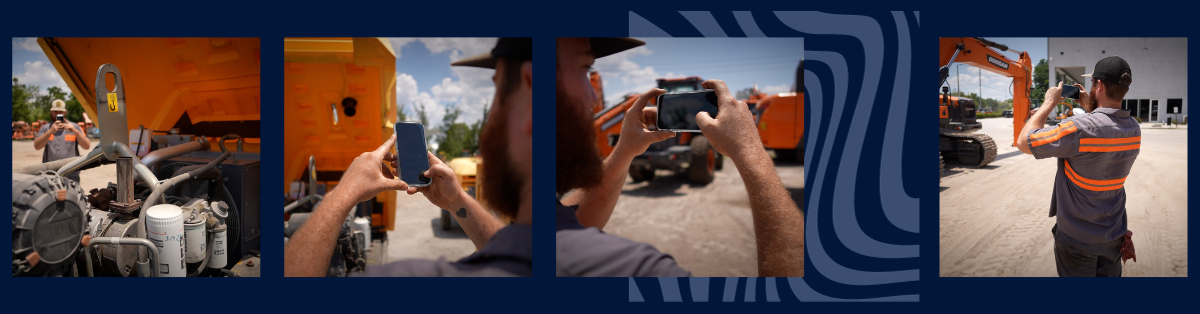
See Record360 at Bauma 2025: April 7-13, Munich, Booth C4-719

Archives for October 2023

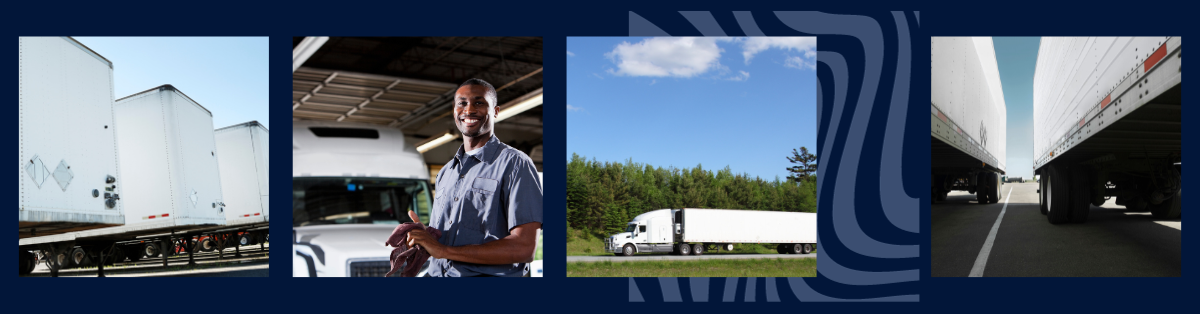
Benefits of Regular Trailer Inspections: Keeping Your Trailer Safe and Sound

Let’s talk about trailer inspections. Talking about trailer inspections isn’t a thrill, but bear with us. Regularly inspecting your trailer can be a game-changer, and in this article, we’re breaking down all the reasons why you should make it a routine part of your trailer maintenance.

These inspections are more important than you might imagine for your trailer’s safety, longevity, and cost-effectiveness.

Safety First

Let’s kick things off with the big one – safety. Regular inspections ensure your trailer is in tip-top shape, reducing the chance of accidents caused by mechanical hiccups.

Must Read: Revolutionizing Truck Safety: The Benefits of Digitizing Pre-Trip Inspections

Making Your Trailer Last Longer

Who doesn’t want their stuff to last longer? Proper maintenance through regular inspections can seriously extend your trailer’s life, meaning less money spent on replacements.

Staying on the Right Side of the Law

Did you know there are laws about trailer safety and maintenance in many places? Regular inspections keep you in the clear, helping you avoid fines and legal headaches.

Must Read: The Lowdown on DOT Trailer Inspections: Keeping Roads Safe

Saving on Fuel

Now, this one’s a money-saver. A well-maintained trailer is fuel-efficient, which can add up to significant savings, especially if you’re hitting the open road.

Money in Your Pocket

Speaking of savings, catching issues early means you won’t have to shell out big bucks for repairs or replacements down the line. Regular inspections are like money in the bank.

Peace of Mind

Who doesn’t love a little peace of mind? Knowing your trailer is in great shape, you can focus on your work without worrying about unexpected breakdowns.

Less Time on the Sidelines

Think about it – if your trailer is well-maintained, it’s less likely to break down. That means less time waiting on the side of the road and more time getting things done.

Doing Your Part for the Environment

We’re all about being green. Fuel-efficient trailers emit fewer nasty emissions, making the planet happier and showing you’re a responsible trailer owner.

Optimal Performance

Regular inspections ensure your trailer performs like a champ, helping you maximize your investment.

Insurance Perks

Here’s a little secret – insurance companies often reward safety-conscious folks with lower premiums. Regular inspections can mean more cash in your pocket.

Boosting Resale Value

Thinking about selling your trailer someday? Well, a well-maintained one fetches a higher price, so it’s smart.

Easy Fixes

Fixing things is way more manageable when you catch problems early. Regular inspections keep the big repairs at bay.

A Good Reputation

Lastly, maintaining your trailer shows you’re a pro who cares about safety and efficiency – that’s a reputation boost right there.
Conclusion

So, there you have it – regular trailer inspections might not be the sexiest thing on your to-do list, but they’re a smart move for safety, savings, and overall trailer happiness. Make them part of your routine today.

Ready to streamline your trailer inspections and simplify your record-keeping process? Look no further than Record360! Our cutting-edge technology makes trailer inspections a breeze. Say goodbye to paperwork and hello to efficiency. Try Record360 today and experience the future of trailer inspections. Your fleet will thank you!


The Lowdown on DOT Trailer Inspections: Keeping Roads Safe

Let’s talk about DOT trailer inspections – what they are, why they matter, and how they keep our roads safe for everyone. No jargon, no fuss, just the essential info you need.

What’s a DOT Trailer Inspection?

A DOT trailer inspection is like a health checkup for commercial trailers. Imagine it as your trailer’s annual doctor’s visit. This inspection ensures that trailers meet safety standards set by the Department of Transportation (DOT) and are road-ready.

Why Bother with DOT Trailer Inspections?

  • Safety First: These inspections are all about safety. Trailers haul heavy cargo, and a malfunction could lead to accidents. DOT inspections help spot issues before they become major problems.
  • It’s the Law: Federal and state laws demand regular inspections. Not following the rules can result in fines – something no one wants.
  • Protecting Cargo: Valuable stuff rides in these trailers. A busted trailer could mean damaged or lost cargo, which spells financial trouble.

Types of DOT Trailer Inspections

We’re breaking down the types so you know what’s what:

1. Pre-Trip Inspection (PTI)

  • Drivers do this before hitting the road.
  • They check brakes, tires, lights – the immediate stuff.

2. Annual Inspection

  • Certified inspectors do this once a year.
  • They go deep, checking the trailer’s overall condition, brakes, suspension – the works.

3. Post-Trip Inspection

  • Drivers do this at the end of a journey.
  • It’s like tidying up after a party – ensuring everything’s in order for the next trip.

4. Spot Checks

  • Surprise inspections by law enforcement.
  • They’re like pop quizzes – to catch any non-compliance.

What Gets Checked?

During a DOT trailer inspection, they pay close attention to:

1. Brakes and Suspension

  • Make sure the brakes work and the suspension can handle the load.

2. Tires and Wheels

  • Checking tire condition, tread, and inflation.
  • Wheels and rims get a once-over too.

3. Lights and Electrical Systems

  • Ensuring all lights work properly.
  • Turn signals, brake lights – they’re all in the spotlight.

4. Coupling Mechanisms

  • Checking the trailer’s hitch or how it’s connected to the truck.

5. Cargo Securement

  • How the cargo’s strapped inside the trailer.
  • It needs to meet regulations.

Wrapping It Up

In a nutshell, DOT trailer inspections are the unsung heroes of road safety in the logistics world. They stop accidents, safeguard precious cargo, and keep drivers and the public safe. When companies prioritize these inspections, they’re saying “safety first,” and that’s a good thing for everyone on the road.

Ready to streamline your trailer inspections and simplify your record-keeping process? Look no further than Record360! Our cutting-edge technology makes trailer inspections a breeze. Say goodbye to paperwork and hello to efficiency. Try Record360 today and experience the future of trailer inspections. Your fleet will thank you!
Reimagining Warranty Claims: A Stress-free Journey for Dealerships

Vehicle dealerships realize that warranty claims are important to customers, but we all know how frustrating that burden can be. You need to protect yourself.

Warranties are great because they give customers and dealers peace of mind. However, the reality is that claim forms need to be clear, well documented, and thorough to ensure expedient payment or payment at all for that matter. You likely lose time, deal with redundancies, and have tons of paperwork that will drive you insane!

This article will help you understand the common challenges that multi-location dealers have when handling warranty claims on equipment. We know that the journey comes with inefficiencies. That could make the initial submission confusing and will require more time to get to the eventual resolution. 

Those inefficiencies will lead to lost revenue, more operational costs, and customer dissatisfaction. However, we’ll explore the pain points dealers often face now.

Streamlining Warranty Claims: Tackling Inefficiencies

The goal is to streamline warranty claims as a dealership owner, which ultimately means tackling the company’s inefficiencies head-on. How do you do that? Here are a few tips:

  • Paperwork Overload – Have you ever stopped to think of how much paperwork is necessary to process a warranty claim? It’s overwhelming, though most employees will take the time to do it. Dealers tend to struggle with storage, document management, and manual data entry. What does that give you? You’re at risk for delays and significant human errors!
  • No Transparency – If you don’t have a streamlined system to help you deal with warranty claims, you can’t track each one’s status. There’s no transparency for the company, which makes it more difficult to ensure a quick resolution or monitor the progress.
  • Communication Problems – What happens when you’re dealing with multiple suppliers, manufacturers, and locations? Communication breaks down and is no longer effective. This means you take longer to resolve the issue, which brings on delays and other complications!
  • Redundancy – Dealerships often have to resubmit the same data over and over. This is a huge waste of time and causes redundant efforts on everyone’s part. Of course, that will frustrate your employees, but it also means that customers don’t get fast resolutions of their warranty claims. It’s a no-win situation for everyone.

How Record360 Can Help With Warranty Claims and Digitize the Journey for Dealerships

Have you been nodding your head while reading through the pain points listed earlier? Many dealerships encounter those problems, and they think there’s nothing they can do. However, hope is here!

Record360 is paving the way. You can modernize the way you handle your warranty claims and create digital inspection workflows that will make your life easier and help your guys enjoy their jobs more.

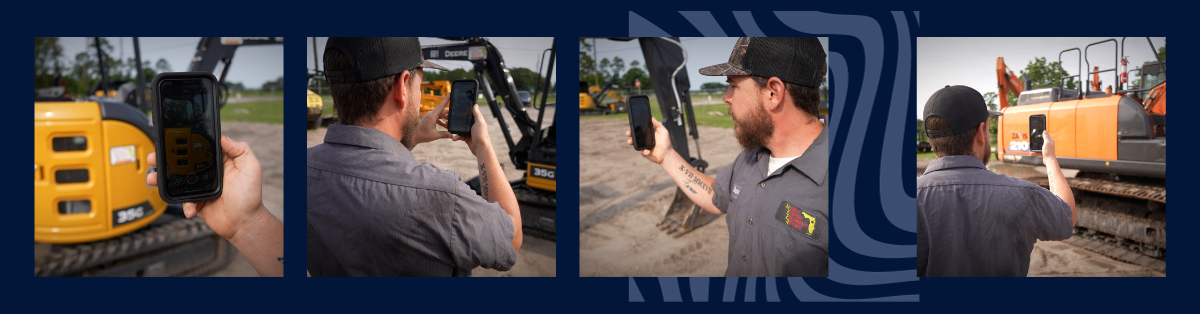
When you use digital inspection apps, your dealership can handle warranty claims more efficiently. Are you ready to navigate the world of warranty claims more easily? Discover how you can document every detail with photos, videos, and checklists, leaving no room for ambiguity.

Request your demo today!

Trailer Inspection Laws: Keeping You and the Road Safe

We get it – trailer inspection laws might not be the most exciting topic out there. But when it comes to your safety on the road, they’re a pretty big deal. So, let’s break it down in a way that’s easy to understand.

Why Trailer Inspection Matters

Trailer inspection laws are like your vehicle’s health check-ups. They make sure those big rigs and trailers are in tip-top shape before they hit the highway. Why? Because a well-maintained trailer means fewer accidents, fewer breakdowns, and a safer road for everyone.

Trailer Inspection Laws: The Basics

What Are They?

Alright, let’s start with the basics. Trailer inspection laws are rules that say trailers and similar vehicles must be in good condition before they’re allowed on the road. It’s like making sure your car’s brakes work before you hit the gas.

Two Types of Inspections

There are two main types of inspections:

Pre-Trip Inspections

Before a driver starts their journey, they give their trailer a once-over. This includes checking things like tires, brakes, lights, and how the trailer connects to the truck. Think of it as a safety checklist.

Post-Trip Inspections

After the trip, it’s round two. Drivers inspect their trailers again to catch any issues that pop up on the road. It’s all about keeping things shipshape.

The Rule Variations

Federal Rules

In the USA, there are federal trailer inspection rules, courtesy of the Federal Motor Carrier Safety Administration (FMCSA). These rules set the standard to ensure safety coast to coast.

State-Specific Rules

But hold on, it’s not just the feds. States have their own trailer inspection laws too. Sometimes they add extra requirements or tweaks. So, when you cross state lines, you might need to brush up on the local rules.

Being on the Right Side of the Law

What Happens If You Don’t Comply?

Now, what’s the big deal about following these rules? Well, not sticking to trailer inspection laws can lead to some pretty hefty consequences. We’re talking fines, penalties, and even losing your right to drive commercially. Worst of all, it can lead to accidents that put lives at risk.

Regular TLC

The key here is regular maintenance. It’s not just about rules; it’s about safety. So, drivers and fleet operators, make sure those trailers get the care they deserve.

Must Read: The benefit of Using a Truck and Trailer Inspection App

Staying in the Know

Where to Find Info

You might be wondering, “Where do I even learn about these laws?” Well, start with the FMCSA’s website. It’s like the holy grail of federal regulations, packed with info.

Get Schooled

If you want to dive deeper, there are training programs and resources out there. These are handy for staying up-to-date and in the loop on all things trailer inspections.

Final Thoughts

So, there you have it – trailer inspection laws made easy. They’re not just red tape; they’re your safety net on the road. Regular checks and knowing the rules inside out will keep you, your cargo, and everyone else on the highway safe.

Ready to streamline your trailer inspections and simplify your record-keeping process? Look no further than Record360! Our cutting-edge technology makes trailer inspections a breeze. Say goodbye to paperwork and hello to efficiency. Try Record360 today and experience the future of trailer inspections. Your fleet will thank you!
Mastering DOT Annual Inspections: A Comprehensive Guide to Navigating the Checklist and Form

It’s often confusing to deal with yearly DOT (Department of Transportation) inspections. We’re offering this comprehensive guide to dive into the aspects of the inspections while providing insights into the inspection checklist, the DOT form, the pre-trip inspection, and everything else.

Whether you’re a truck driver, a fleet manager, or a commercial truck operator, this blog will give you the tools and knowledge necessary to ensure a compliant and seamless annual inspection process. Let’s get started!

What’s Included in the DOT Annual Inspection?

You should physically and visually inspect these exterior and exterior parts of the commercial motor vehicle (CMV):

  • Exhaust system
  • Brake system (linings and pads, rotors and drums, hoses, parking brake system, low-pressure warning device, tubing, air compressor, tractor protection valve, hydraulic brakes, electric brakes, antilock brake system, vacuum systems, and automatic brake adjusters)
  • Windshield glazing and wipers
  • Coupling devices (pintle hitches, fifth wheels, saddle mounts, towbar/drawbar tongue and eye)
  • Rear impact guard
  • Rims and wheels
  • Tires
  • Frame
  • Suspension
  • Steering mechanism
  • Lighting devices
  • Fuel system

It’s crucial to complete your DOT vehicle inspection checklist and watch for wear and tear and complete failure. Overall, you can prevent costly accidents and violations by doing your part!

Record-Keeping Requirements for Your DOT Vehicle Inspection

When you’ve got a CMV due for its annual inspection, you should work with a qualified inspector. They will prepare a report with the following data:

  • Company using the vehicle
  • Name of the person performing the inspection
  • Vehicle getting inspected
  • Date of the inspection
  • Vehicle components were inspected, and the results and the components did not meet FMCSA standards.
  • Certification of the completeness and accuracy of the inspection

You must keep a copy of the original inspection report for 14 months after completing the document. Keep it where the CMV is maintained or stored.

Pre-trip DOT Inspections

A pre-trip inspection should take about 10 to 15 minutes and must include checking the:

  • Tires
  • Lighting devices and reflectors
  • Steering mechanism
  • Parking brake
  • Service brakes (including any trailer brake connections)
  • Windshield wipers
  • Horn
  • Emergency equipment
  • Rims and wheels
  • Coupling devices
  • Rear vision mirrors

Whenever you’re assigned to drive a new truck, there are more things to check, such as:

  • IFTA Stickers – These fuel tax compliance stickers are found on either side of the truck.
  • Inspection Stickers – This is found on the outside of the truck.
  • Cab Book and Card – This contains the inspection, registration, cab cards, permits, IFTA paperwork, and other necessary documentation for the truck.
  • Required Permits – These are found in the cab card book.
  • Elog Device – Most trucks have one.

Must Read: The Lowdown on DOT Trailer Inspections: Keeping Roads Safe

Get Help with DOT Compliance with Record360

Performing DOT annual inspections might seem tedious, but they’re crucial to ensuring you’re compliant. Without them, you could be penalized by the DOT. Likewise, your CMVs should always run smoothly to keep the business moving. If you’re fixing them constantly or they consistently break down, you risk various violations.

Creating digital inspection checklists and keeping everything organized when you use Record360 is easy. See how we can help you and request a demo now!

Streamlining Efficiency: Inspections with Record360

In an era where every second counts, businesses are constantly on the lookout for solutions that elevate their operational efficiency. Record360 emerges as a beacon in this pursuit. Their avant-garde approach to pre and post-trip inspections not only conserves precious time but also bolsters accountability.

Harnessing Technology for Efficient Inspections

In the modern business landscape, technology’s role is pivotal. Its influence stretches across various facets of an organization, pushing the boundaries of what’s possible. Among these evolving paradigms is the realm of inspections, a critical aspect that determines efficiency and compliance.

The adoption of technology in this sphere isn’t just a trend but a necessity. Businesses striving for growth and efficiency cannot afford to ignore the transformative power of digital solutions. With an ever-growing emphasis on accuracy, speed, and reliability, the traditional manual methods of inspection are becoming obsolete.

Enter Record360.

As a frontrunner in the integration of technology for inspections, Record360 offers a solution that’s both innovative and practical. Companies that have integrated this tool into their workflow bear testament to its transformative effects. The ease of capturing, storing, and retrieving inspection data ensures that firms can operate without hiccups, reducing errors and streamlining processes.

Time: The Unsung Asset

Time is invaluable—every second counts in business. Lost time often means revenue lost. That’s why, efficient processes become paramount.

Record360 understands this principle. Their tools target time conservation, specifically in inspections.

Revolutionizing Inspection Processes with Real-time Reporting

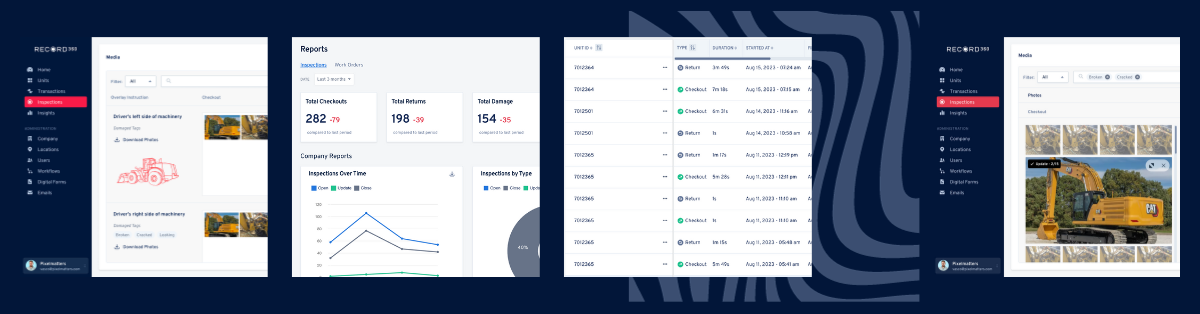
The dynamics of inspection management have evolved, giving you unparalleled access to real-time insights. Dive into the world of precision and efficiency with our newly introduced feature.

Real-time Monitoring of Inspections

Gone are the days of tedious waits and uncertainty. Monitor inspections live, witnessing every starting point and conclusion. Stay updated, informed, and ahead with the immediate access this feature offers.

Analyze Durations Like Never Before

Curiosity about inspection durations is now a thing of the past. Our robust Inspection Time Reporting tool delivers detailed, second-by-second data on each inspection. Information at your fingertips ensures you’re always in command.

Scaling Made Simple and Efficient

Navigating the complexities of scaling is now smoother than ever. Efficiently manage inspections, irrespective of the size of your fleet. Our feature is tailored to ensure that you remain on top of your game, always.

Revamping is Essential. Time is Precious.

Old methods drag companies down. New, efficient ones propel them forward. What does this mean? More time. More opportunities.

This saved time isn’t just idle. It’s potential energy. Whether it’s strategizing, innovating, or simply refining, these extra moments can redefine a company’s trajectory.

In essence, time is more than just ticking seconds. It’s a reservoir of untapped possibilities. With the right tools, you can maximize it as an asset. The outcome is clear: streamlined processes, optimized operations, and a company that’s always one step ahead.

Enhancing Business Credibility with Transparent Operations

In today’s business landscape, building and maintaining credibility is paramount. It’s a competitive edge that paves the way for long-term success and stakeholder trust. The core of such trustworthiness? Transparency.

The Value of Credibility in Business

Credibility isn’t merely a buzzword in the corporate realm; it’s a lifeline. Businesses that prioritize credibility find themselves standing firm in volatile markets. Stakeholders, whether they are customers, investors, or employees, gravitate toward companies that show authenticity.

The Transparency Challenge

However, achieving total transparency can be a challenge. Modern businesses operate in complex environments, often juggling multiple stakeholders’ needs. But the quest is clear: Companies need mechanisms to make their operations transparent and thus, more credible.

Record360’s Solution to Transparency

Enter Record360. This revolutionary solution is designed to ensure a transparent inspection process. When businesses implement such systems, they are not merely ticking off a checklist. They’re sending a message that they value stakeholder trust.

Trust: The Pillar of Business Success

Trust in business isn’t a given; it’s earned. Every decision, every process, and every interaction is an opportunity to build or break this trust. With transparent operations, businesses position themselves as reliable entities. This reliability fosters a positive environment where stakeholders feel valued and important.

Rapid Evolution of Rules and Regulations

Every industry is witnessing dynamic changes in its rules and compliance standards. However, having the right tools can ease this journey.

Why Record360’s Solution Makes a Difference

Companies that harness the power of Record360 find themselves at an advantage. This isn’t just about checking boxes; it’s about ensuring your operations are not just compliant but also efficient. It’s about guaranteeing your operations don’t just meet, but exceed, the expectations set by regulators.

Achieving a Robust Compliance Posture

The result of using Record360? A solid and unshakeable compliance posture. This doesn’t just offer peace of mind but also ensures operations run smoothly, efficiently, and within the confines of regulations. It’s not just about avoiding penalties; it’s about setting the gold standard in your industry.

Positioning Your Operations Rightly

Being on the right side of regulations is about more than just avoiding fines. It’s about reputation, trust, and efficiency. Companies with robust compliance postures are seen as leaders, innovators, and trustworthy entities in their industry.

The Future is Streamlined

In sum, the key to staying competitive in today’s fast-paced market lies in optimization. Embracing tools like Record360 for inspections provides companies with a definitive edge. It’s a step towards an efficient, transparent, and compliant future.