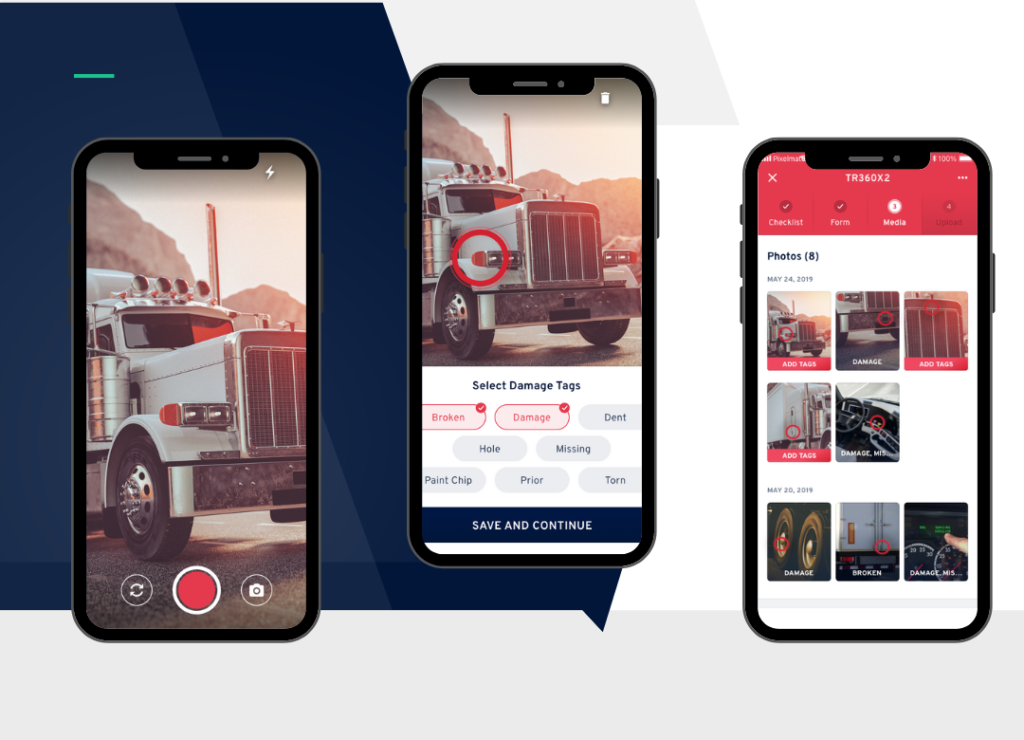
See Record360 at Bauma 2025: April 7-13, Munich, Booth C4-719

Truck

The Power of Professional: Why You Should Upgrade Your Plan

Record360 is the #1 inspection app for heavy equipment & trucking. Our mobile app helps businesses create inspections with photos and videos, so you can keep track of damage, audits, and inventory. But that’s not all… You can get some particularly beneficial features if you choose our Professional subscription plan. By upgrading your plan, you can become more efficient and make better decisions. Read on below to learn more about the features available on our most premium plan.
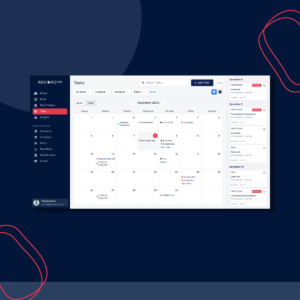
Task Calendar: A better way to manage tasks

The Task Calendar in Record360 is a visual tool to manage your tasks. Each task appears as a “card” with key information like the name, due date, and responsible party. Some benefits include:

  • A weekly and monthly overview of your tasks, so you can easily drag tasks to future dates if your customers need to reschedule at the last minute
  • The ability to at-mention users in comments, so your office staff can easily communicate and provide updates on tasks (without leaving their desk!)
  • Create tasks for ‘draft’ inspections, when you know you have an inspection coming up in the future. Expedite the process for your guys in the field, so they can save time and reduce errors.

 

Departments: More control over who sees what

With our Professional plan, you can create separate departments with customized workflows in each one. This lets you configure unique processes for each department, so you have 100% accurate documentation, control, and security.

You can also create inspections across departments: for example, completing a service or maintenance inspection during the contract period of your rental. Use this feature to better manage your internal processes and improve efficiency across teams.
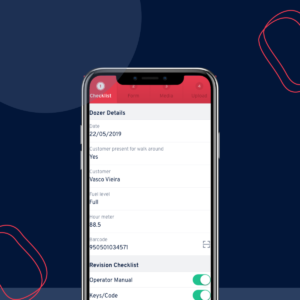
 

Workflows & Digital Forms: More, more, more!

Our Professional plan lets you create up to 20 digital forms and workflows that can be customized to meet your needs. Particularly in complex businesses, having separate workflows for ALL of your customer forms can help you stay organized. Not only that, in federally regulated industries like trucking, it’s important to maintain updated DOT forms at all times. The flexibility and scalability of our workflows means you can adapt and grow your processes over time.

 

eSign: Secure, digital signatures for the modern age

e-Signatures are digital signatures that can be used to capture customer approvals for inspections and additional work. Our powerful eSign functionality lets you replace paper signatures in one shot, so you can reduce mistakes and lost documents. Why is eSign useful?

  • Convenient: Users love eSign particularly when their customers aren’t present for an inspection—in the case of a hot drop—or when they need to approve work remotely
  • Efficient: Signatures are captured and stored in a central location. Use the Record360 dashboard to search for signed documents right when you need them.
  • Secure: Digital signatures help with compliance and security by ensuring the document hasn’t been altered.

 

SMS Texting: Meet your customers where they are

Texting with your customers is a Professional plan feature that lets you send inspection reports to your customers via text. This is the most convenient and efficient way to deliver them their reports—save time and improve customer satisfaction.

Our inspection reports give your customers a simple and easy-to-understand summary of their inspection results; and when delivered via text message, it’s an ideal tool for your business.


Upgrade with Record360

Unlock the full potential of Record360 and experience better task management, MORE workflows, and a higher degree of customization with our Professional subscription plan. Say goodbye to manual processes and hello to improved efficiency, accuracy, and collaboration.

Record360 can help you cut costs, streamline inspections, and protect your assets from damage—all while keeping your customers happy.

Request a demo today and take your business to the next level.

Revolutionizing Truck Safety: The Benefits of Digitizing Pre-Trip Inspections

A truck pre-trip inspection is an inspection of a commercial motor vehicle (CMV) performed by a truck driver before starting a trip. This inspection aims to ensure the truck is safe to operate. A typical checklist includes: checking the brakes, tires, lights, mirrors, steering, suspension, and coupling devices. The driver should confirm all documentation is on board.

Conducting a thorough pre-trip inspection helps reduce accidents and breakdowns. Drivers must document their inspections and any defects found. In many countries, pre-trip inspections are a legal requirement.

Compliance and Truck Pre-Trip Inspections

The Federal Motor Carrier Safety Administration (FMCSA) sets the compliance requirements for truck pre-trip inspections in the United States. These requirements are outlined in the Federal Motor Carrier Safety Regulations (FMCSRs).

Drivers must perform pre-trip inspections to ensure their trucks are safe for transport. Pre-trip inspections help identify potential issues before they start their journey, reducing the risk of accidents on the road.

Truck pre-trip inspections help ensure a truck complies with FMCSA regulations and standards. By performing pre-trip inspections, drivers can be sure they comply with FMCSA requirements. The trucker can drive without worrying about receiving violations from law enforcement. This allows drivers to avoid costly fines and penalties associated with non-compliance.

According to the FMCSRs, drivers must conduct a pre-trip inspection of their commercial motor vehicle (CMV) before starting a trip. The truck pre-trip inspection must cover all the vehicle’s major systems and components, including:

  • Brakes
  • Steering and suspension
  • Tires, wheels, and rims
  • Lights and reflectors
  • Coupling devices
  • Fuel and exhaust systems
  • Electrical systems
  • Mirrors
  • Load securement

Drivers must also check for any fluid leaks and make sure that all the vehicle’s safety equipment is present and in good condition.

The FMCSRs require drivers to document the results of their truck pre-trip inspections, either on paper or electronically. The documentation must include a description of any defects or malfunctions found. Drivers must also document repairs or maintenance performed.

Failure to conduct a proper truck pre-trip inspection and maintain accurate inspection records can result in fines and penalties. The fines and penalties can impact both the driver and the carrier. Additionally, operating a truck with known problems can pose significant safety risks. Hence, drivers must take the pre-trip inspection process seriously and address any issues discovered.

Challenges with Traditional Paper-Based Inspections

Many businesses struggle with paper-based inspections. Using paper can make it difficult to keep track of equipment and be transparent with customers. This can lead to damaged equipment, a hit on reputation, fewer repeat customers, and wasted time. 

To prevent these problems and improve customer relationships, it’s important to have good records of equipment. This means getting rid of paper, building strong customer relationships, and having a reliable, flexible, and compliant system.

Paper-based inspections come with challenges, and relying on manual processes can cause additional problems. Using paper-based vehicle inspections takes time and is prone to errors, which can result in missed inspections or inaccurate records.

The Solution: Digitizing the Truck Pre-Trip Inspection

Digitizing the truck pre-trip inspection process has several benefits over traditional paper-based inspections:

Increased accuracy and reliability

Digital pre-trip inspection forms are becoming popular. They provide an efficient and reliable way to record detailed and accurate records of a vehicle’s condition. With the help of photos and videos, these forms can accurately record the condition of each part of the vehicle before it is used. It also helps to reduce costly repairs due to undetected damages or faulty parts. By using digital pre-trip inspection forms, companies can save time and money. Their vehicles will always be in top condition.

Improved efficiency

Truck drivers can access and retrieve the forms more quickly by digitizing them. This allows them to complete the process faster. This improved efficiency can lead to cost savings in both time and money for trucking companies. 

Digital pre-trip inspection forms also make it easier for companies to track and audit these vehicle inspections.  Companies can make sure they meet all safety regulations. Furthermore, digital forms are easier to store and maintain than paper ones, which can help reduce paperwork clutter in the office.

Enhanced reporting and analysis

This technology allows companies to analyze data from the forms. Companies can then identify trends and track their fleet’s performance. Companies can gain insights into their fleet’s activities with enhanced reporting and analysis.

This allows them to make informed decisions about maintenance needs. Companies can ensure their vehicles are always in top condition for maximum efficiency. It will also help them reduce repairs and other maintenance costs.

Better communication

Digital truck pre-trip inspection forms reduce the risk of miscommunication. They allow more accurate and detailed information to be collected and shared between parties. Drivers can complete their pre-trip inspection without worrying about miscommunication or forgetting important details.

This helps ensure that all trucks are in proper condition before they hit the road, reducing the risk of accidents or other mishaps. Digital truck pre-trip inspection forms improve communication with real-time updates on inspections, repairs, and maintenance activities. This allows for more efficient scheduling of trips and better coordination of resources across many sites.

Enhanced safety

Digital truck pre-trip inspection forms reduce the risk of accidents and breakdowns. With the help of these digital forms, truckers can identify any issues before they start their journey and take steps to mitigate them.

This helps to ensure that their vehicles are safe and roadworthy while they are on the road. It also helps them follow regulations and industry standards, enhancing road safety. Digital pre-trip inspection forms also provide documentation, which can be used in case of any disputes or claims.

Digitizing the truck pre-trip inspection process can help fleet managers and drivers improve their operations’ safety and efficiency. Digital pre-trip inspections reduce the risk of fines and penalties.

Record360 and Truck Pre-trip Inspections

Record360 enables truck drivers and fleet managers to perform pre-trip inspections in a cloud-based platform. Cloud-based technology allows fleet managers to conduct pre-trip inspections remotely. This saves time and money. A cloud-based platform reduces paperwork and streamlines the inspection process.

With Record360, truck drivers can capture photos of their vehicles before and after trips. Truck pre-trip inspections are essential to ensuring the safety of truck drivers and other vehicles on the road. Photos and videos taken during these inspections can be used to identify potential issues with a truck before it takes off. They can also help document any repairs.

The truck pre-trip inspection can also provide evidence of an accident or other incident. Companies can ensure their vehicles are safe by using photos and videos for truck pre-trip inspections. Truck pre-trip inspections also ensure trucks are updated with all necessary maintenance. This reduces the risk of accidents, improves driver safety, and saves money in the long run. 

Record360 is an ideal solution for trucking companies looking for a better way to conduct truck pre-trip inspections. Record360 provides GPS tracking, real-time notifications, and customizable checklists, making it easier to manage truck pre-trip inspections. Additionally, the platform’s user interface is intuitive and easy to use.

Ensure Safe and Efficient Trucking with Record360

Transform your pre-trip reporting from paper to digital with Record360. Our cloud-based platform offers a range of benefits, including remote pre-trip inspections, improved documentation, enhanced reporting, and the most user-friendly interface.

Record360 provides GPS tracking, real-time notifications, and customizable checklists, making it easier to manage truck pre-trip inspections. Additionally, the platform’s user interface is intuitive and easy to use.

Request a demo today and discover the benefits of digital inspections!

Streamlining Truck Inspection Checklists with Record360

Checklist For Truck Inspection

If you’ve ever seen a checklist for truck inspection that’s a mile long and groaned, we know how you feel. Truck inspection reports are essential for the rental industry, but that doesn’t mean they’re a joy to fill out or keep track of. It can seem like there are a hundred steps in filling out a truck inspection checklist – especially on paper. While there’s nothing wrong with paper forms per se, it can cost a business a lot of time and money in the long run if they’re losing out on efficiency and attention to detail due to record-keeping issues.

First, knowing what to include in a pre-trip truck inspection checklist can be difficult. While it is a given that certain things are always included, such as fuel level and mileage, what else must be included on the list? How detailed is too detailed, and is there such a thing?

Searching for a pre-trip inspection checklist PDF online might give you a good idea of what other rental companies search for before leasing out their equipment, but that doesn’t mean it’s right for you and your business. You can always create a custom report if the one you find is too detailed or not as detailed as you like. 

However, to protect against damage claims and ensure that you’re always aware of the state of your equipment, it might be better to go with a more thorough or detailed checklist over a basic one. Additionally, checklists might vary from machine to machine. A Department of Transportation (DOT) truck inspection checklist might look different from a simple rental car checklist. Here are a few starting suggestions for most inspection checklists:

Engine & Fuel System Checklist

  • Check the oil in the engine to ensure it is clean and at an appropriate level.
  • Record how much fuel is in the tank before leasing.
  • Inspect exterior gas caps to ensure they are in proper working order.
  • Run the vehicle and listen for strange or unusual noises indicating potential issues.
  • Check the belts and hoses for signs of wear, such as leaks, cracks, or splits.

Vehicle Body

Inspecting the vehicle body and keeping accurate records of its condition is vitally important, especially when renting road vehicles. Having an accurate record of the body’s condition before it is leased gives your guys a reference to check against when the vehicle is returned to your lot. 

Any pre-existing damage to the vehicle must be marked, so keep an eye out for:

  • Dents, dings, and scrapes in the doors
  • Marks possibly made by key scratches or other vandalism
  • Dents, scratches, or dings along the entire body of the vehicle
  • Loose hubcaps, body stripping, or spreading rust

There should also be records of the condition of the lights, cab, windows, internal systems like horn, AC, heat, seatbelts, brake systems, tires, and vehicle documents like registration and proof of insurance. While that does sound like a lot to take care of, there is software that exists to automate your processes and streamline your inspection process. With Record360, you can create custom checklists that are digitally stored and possible to fill out on any smartphone or tablet. Photos and videos can be attached to reports and checklists, so there’s no question of the vehicle’s condition.

Daily Vehicle Inspection Reports 

DVIRs, or daily vehicle inspection reports, are crucial to every driver’s routine. They’re required before, during, and after every trip and serve to ensure the vehicle’s safety and reliability. While they technically don’t have to be documented, it’s best practice to do so, as it provides proof that the inspection was performed.

If there are defects found during the post-trip inspection, they must be documented on the DVIR. This serves as a record of the issue and helps ensure it is addressed promptly. Tracking and resolving maintenance issues can be difficult without proper documentation, leading to more severe problems.

One of the key benefits of electronic DVIRs is ensuring that inspections are being done. Tracking whether or not a particular inspection has been performed with paper records can be difficult. On the other hand, electronic records provide real-time data on when inspections are completed and can even send alerts to fleet managers if an inspection is missed.

In addition to ensuring that inspections are done, electronic DVIRs make assigning tasks to the service department easier. If an issue is identified during an inspection, the electronic record can automatically generate a task for the service department to address the issue. This helps streamline maintenance and ensures issues are addressed quickly and efficiently.

DVIRs are an essential tool for maintaining the safety and integrity of a vehicle. By performing regular inspections and documenting issues, drivers and fleet managers can stay on top of maintenance needs and prevent more significant problems from developing. With proper attention to detail and a commitment to best practices, DVIRs can help keep drivers and their vehicles safe.

DOT Inspection Checklist

Keeping careful and regular inspections and checklists of the conditions of your vehicle year-round can also take some of the pressure off when it comes time for the DOT annual roadside inspection.

Record360 provides a simple way to inspect your vehicles according to the DOT inspection 2022 standard. You could create your template directly in the app rather than search online for a printable DOT annual inspection form. It would be immediately available to all your guys, and you could see the results in real-time. The use of DOT daily vehicle inspection PDF forms and DOT inspection checklist PDFs don’t offer that kind of responsiveness and, more often than not, can still be a pain to fill out and organize.

There are DOT inspection checklists available online to recreate a fillable template from. While the inspection documents or process may vary slightly from year to year, the DOT inspection checklist 2022 most likely includes an inspection of the following:

  • Brake system
  • Electrical system
  • Suspension
  • Wheels and tires, including rim and hub
  • Seat belts
  • Fuel and exhaust systems
  • Headlights, rear lights, turn signals, and other lights
  • Windshield wipers

The above checklist would be similar or appropriate for a Level 1 DOT inspection checklist template. Drivers must also show all necessary documentation to the DOT inspector, including their CDL, driver logs, and medical/skills performance evaluation certificates. Using regular inspections and checklists with Record360 could be one way of preparing drivers or vehicles for annual DOT inspections and minimizing fines or other penalties. Record360 could also be utilized to create checklists and inspections that correspond with every level of the DOT inspection checklists if you so desire. The information recorded with Record360 is kept safe in a cloud-secure system that protects you, your business, and your customers while giving you 24/7 access to your data.

DOT Inspection Forms And Stickers

DOT Level 1 inspection checklist PDFs can be found online and show you everything you need to know if your vehicles or machinery will pass inspection or need additional work. DOT inspection checklist PDFs are available for nearly every level of the inspection, including level 2 inspection checklist PDFs. Knowing the content of these DOT inspection forms and stickers can help prepare your vehicles and drivers for DOT inspection ahead of time.

While it’s good to know the checklist content of these inspections, including DOT daily vehicle inspection form PDFs, depending on the type of vehicles and machinery you rent out, not all forms and fields will apply to your business. Additionally, PDF forms do not offer a lot of versatility or flexibility over paper forms. Most paper forms become PDFs and must be filed and organized in a way that takes nearly as much time and effort as paper forms. Record360 takes the effort out of record-keeping without sacrificing accuracy and detail.

Record360 can keep track of any annual vehicle inspection report. How to fill out these forms is simple and streamlined within the app and easy to pick up and learn without prior technological experience. Record360 can create templates for CVSA level 1 inspection checklists alongside the DOT annual vehicle inspections. The results of these reports and checklists can be accessed and approved in real time from anywhere in the world. Record360 can give you an accurate idea of the condition of your fleet, save money, streamline workflows, verify customers, and more. Transitioning from using annual vehicle inspection form PDFs to Record360 could take only days instead of weeks. The software can eliminate damage disputes and protect customers and leasing agents. When you use detailed inspection checklists that are simple to fill out and keep track of, no one is caught off guard by annual DOT or CVSA vehicle inspections.

Go Digital with Record360

Ready to streamline your truck rental and leasing business and simplify your inspection checklist process? Say goodbye to paper forms and switch to Record360’s digital platform.

Record360 can help you cut costs, streamline inspections, augment inventory management, and protect your assets from damage—all while keeping your customers happy.

Request a demo today and discover the future of truck inspection management with Record360.

Truck Inspection Checklists and Apps for Compliance and Efficiency

Truck Inspection Checklist

Truck inspections can provide a wealth of relevant information for the driver and the organization responsible for shipping whatever freight might be present aboard the truck. In some cases, like for truckers and other vehicle operators with a commercial driver’s license (CDL), regulatory compliance requires a pre-trip inspection checklist to ensure both the driver’s safety and the security of the goods. It can be vitally important to ensure that the vehicle is functioning properly to avoid injury to the driver or other motorists and to preserve the integrity of the shipped goods.

A truck inspection checklist covers almost everything a driver needs to inspect before embarking on a lengthy journey. From the front of the truck and the engine compartment to the rear of the trailer – numerous items need to be inspected to ensure proper functionality. A daily truck inspection checklist PDF might have all the necessary items, but memorizing checklist items and making the checklist inspections an integral part of shipping routine preparations can be quite taxing.

Essential Elements of a Pre-Trip Inspection for Truck Drivers

At the front end of the truck, the driver must inspect the integrity of the engine compartment as well as the necessary fluids (oil, coolant, power steering, etc.), hose, and pump connections, and drivers must also ensure that belts are properly mounted and do not have any signs of extreme wear like cracks or frayed edges. Drivers must also inspect the front suspension, including the spring mounts/hangers, shock absorbers, and airbag(s) – there shouldn’t be any leaks, abrasions, or other visible signs of damage or wear.

Additionally, drivers are responsible for ensuring that mirrors and brackets are all secured and visible from the driver’s seat. The steps, door, and hinges must all be sturdily mounted and secure enough to seal properly. Similarly, the fuel tank should remain intact with the cap and seal still attached and functional.

Towards the rear of the vehicle and trailer, drivers must inspect the frame, drive shaft, exhaust, mudflaps, and catwalks. At the coupling area, drivers must ensure that the air connector is secure and that cables are not dragging or tangled. Mounting bolts are all present and tight, the skid plate must be sufficiently greased, and the locking jaw and kingpin must be mounted and secure. Additionally, drivers must inspect the brakes, wheels, tires, and wheel rims to reduce the possibility of a flat or blowout.

There are also inspection points for the trailer and inside the cab, so the inspector assesses a lot of information during a pre-trip inspection. But instead of attempting to memorize a truck inspection report, drivers can utilize a truck inspection checklist app to help ensure that everything is as it should be.

Drivers could also search for a post-trip inspection checklist PDF to double-check items once the trip has been completed to determine any damages or wear that might have occurred in transit. CDL manuals and company documents may also provide additional information about the thoroughness of inspections.

DOT Truck Inspection Checklist

Like a CDL checklist, a Department of Transportation (DOT) truck inspection checklist can help ensure that compliance regulations are satisfied and that the vehicle and its operator can legally operate on public roads. All commercial vehicles weighing over 10,001 pounds must undergo an annual DOT inspection to assess the parts and extent of vehicle wear. There are six different ‘levels’ of DOT inspections – levels 1 through 6 – each serving a unique purpose.

Level 1

The most commonly conducted of these inspections is level 1. Generally, inspectors assess various documents, the health, and well-being of the vehicle operator, in addition to the safety and functionality of the vehicle. These inspections are conducted in person and generally take under an hour to complete.

Level 2

Level 2 inspections are quite similar to level 1 inspections, with the primary difference being that a level 2 inspection does not require the inspector to climb under the vehicle. Because of this, level 2 inspections are generally completed in about 30 minutes.

Level 3

A level 3 inspection involves the assessor checking the driver for all the necessary certifications and proper licenses. Drivers must provide a skill performance evaluation certificate, relevant medical certifications, a valid driver’s license, a record of duty status, and any relevant driver or vehicle inspection reports. Because level 3 inspections are driver-centric, they typically only take about a quarter of an hour to conduct.

Level 4

Level 4 inspections are one-time assessments that help examine a specific item or claim about a vehicle. Because the claims may vary widely, the time to complete a level 4 inspection will also fluctuate depending on unique conditions and variables.

Level 5

These inspections look very similar to level 1 inspections on paper, except that for level 5 inspections, the driver does not need to be present.

Level 6

Finally, level 6 inspections are special examinations for specific radioactive substances. These inspections can take up to an hour or longer, and the driver, cargo, and vehicle must pass each pass inspection before the driver is allowed to depart. After passing a level 6 inspection, the vehicle is given a special nuclear symbol to indicate that the inspection has been passed. Once the driver arrives at the destination and the shipment has been fulfilled, the symbol is no longer valid and is removed.

DOT annual inspection requirements generally include a comprehensive assessment of the driver, relevant credentials, and licenses, as well as the functionality and safety of the vehicle. For more information about DOT inspection forms and stickers, consult a DOT inspection form PDF or a DOT level 1 inspection checklist PDF.

Commercial Vehicle Inspection Software

There are a variety of capabilities enabled by today’s commercial vehicle inspection software. Whether your company needs a vehicle condition report app, a vehicle damage inspection app, or a free fleet inspection app – innumerable software solutions can help modernize your business and potentially help streamline your daily operations.

Technology is one of the driving forces modernizing contemporary trucking and ground shipping enterprises; companies are continually searching for ways to improve their workflow while increasing revenue streams and minimizing safety hazards and potential threats to the company’s longevity. Even as little as a few years ago, vehicle operators were largely expected to use physical, paper maps to navigate a shipment from point A to point B successfully.

Nowadays, organizations have digital check-ins and checklists for drivers to sign off on before embarking on their journeys. Then drivers can utilize a GPS tracker or a specialized route navigation app to optimize their journey and help them arrive as quickly and safely as possible. Some apps can also provide features like crash detection and a mechanic portal to help expedite repairs and regular maintenance.

Organizations can help ensure that their drivers and shipments adhere to compliance and regulations by utilizing commercial vehicle inspection software. Additionally, vehicle inspection software can help a business immediately recognize when a vehicle might have a problem so that a maintenance team can quickly be dispatched to resolve the issue. Improving inspection efficiency also helps to improve efficiency throughout the rest of the process.

Daily Vehicle Inspection App

For convenience and transparency, fleet managers and/or business owners may use a daily vehicle inspection app to help streamline checklist inspections and immediately identify an issue so drivers can proceed to their delivery destinations quickly and efficiently. A vehicle inspection app for Android or iOS can be even more useful and user-friendly than a free daily truck inspection checklist.

With a daily vehicle inspection app, you can execute routine inspections quicker while helping improve efficiency throughout the rest of the process. You can also increase visibility using an app or other vehicle inspection software. The software helps companies respond to issues faster and more precisely than traditional analog record-keeping methods.

Vehicle inspection apps can also help improve safety initiatives by identifying real-time issues. This increases efficiency capabilities by helping keep all parties informed. And with improved asset management capabilities, your organization can divert resources more effectively and profitably. A daily vehicle inspection app can provide numerous features for your front line to help improve performance and management at scale.

While there are dozens of resources available online – from free vehicle inspection apps to a DOT daily vehicle inspection form PDF and much more – that can help your business optimize record keeping and inspection initiatives. Companies that can adapt in the digital era and develop ways for technology to help improve their efficiency are setting themselves up for success; there is a fair amount of truth in the adage about working smarter instead of harder. Regarding the menial, time-consuming aspects of running a business, doesn’t develop a centralized, easy-to-use system to help fulfill your organization’s vehicle inspection needs makes sense?

The #1 Inspection App

Used in over 23 million inspections at 2,000 locations nationwide, Record360’s InspectPro is the #1 inspection app in the heavy equipment and truck industry. Enhance customer satisfaction through accurate damage assessments, build trust, and demonstrate commitment to the customer experience.

Request a demo of Record360 and discover why the leading rental companies trust Record360 for their inspections.

How Digital Solutions are Changing the Game for Asset Management

Record360 is a software platform that provides digital documentation and asset management solutions.

While it was initially made for rental companies to document the condition of rented assets, it has many other uses and benefits. Here are some examples of what Record360 does beyond rental:

Asset Management

Asset tracking and maintenance management are critical parts of effective asset management.

Record360 is a complete asset management solution. Businesses can track the location of the last inspection, and mobile devices can be used to document your assets. Companies can improve their asset tracking, maintenance, and reporting processes. This leads to better decisions and cost savings.

  1. Asset Tracking: Using mobile devices, companies can document where equipment was last inspected. Record360 permits users to scan barcodes/QR codes to identify and log the asset’s location based on its previous inspection. This marks its current condition with the help of geotags. 
  2. Maintenance Management: Companies can schedule routine maintenance by tracking asset maintenance history. This prevents unexpected breakdowns that can cause downtime or result in extra expenses.
  3. Damage Documentation: Businesses document the condition of their assets before and after use. This helps identify any damage caused by use or transportation. It also allows companies to figure out who handles paying for repairs.
  4. Reporting: Reports show businesses important information about their assets. This includes their last inspection, maintenance history, and damage reports. This helps companies to make good decisions about what to do with their assets.

Condition Reporting

Record360 is a digital tool used to manage a fleet or maintain equipment. Users can take pictures, videos, and write notes to document assets and create reports. Effective fleet management and maintenance are crucial for businesses. 

Record360 simplifies the process by letting managers track asset conditions. They can even document new equipment. Managers can find damage and determine repair costs while complying with regulations. This tool improves fleet and equipment management, bettering asset performance and lower costs.

  1. New receive: Document the condition of new equipment. 
  2. Fleet management: Document vehicle condition, including damage or wear and tear. It helps identify repairs and determine who pays for them. 
  3. Equipment maintenance: Keep equipment in good condition and avoid unexpected breakdowns that can lead to extra costs.
  4. Inspections: Document asset conditions during inspections. Inspections include safety, quality, and compliance. Issues can be identified and addressed. Compliance requirements can be met.

Claims Management

Record360 helps businesses manage claims. It provides clear documentation of pre-existing damage. It’s useful for insurance companies, trucking companies, and other businesses dealing with claims. By using the app, the claims process is quickened, and companies can save time and money.

Compliance

Record360 is essential for businesses in regulated industries. It assists in complying with regulations. Proper asset management is crucial for the success of businesses, especially those in transportation and manufacturing.

The software helps track maintenance and schedule routine tasks. This ensures assets are in good condition. Record360 also documents inspections, maintenance, and repairs, ensuring compliance with industry regulations.

Reports provide an overview of asset location, maintenance history, and compliance status. This software allows businesses to improve maintenance management and compliance processes. This leads to better asset performance, lower costs, and increased regulatory compliance.

  1. Maintenance management:  Track asset maintenance history, schedule routine maintenance tasks, and keep repair and service records. This keeps assets in good condition, addresses issues, and reduces unexpected breakdowns and extra costs. Proper asset maintenance is crucial for a company’s success. Using Record360, keeps assets in good condition, prolonging their lifespan and increasing profit.
  2. Regulatory compliance:  Simplify the regulatory compliance process. Document inspections, maintenance, and repairs. Keep assets maintained and compliant with industry regulations. 
  3. Reporting: Generate asset overview reports that include information on asset location and maintenance history. These reports help businesses make informed decisions about compliance and identify improvement areas.

Task Management

Record360 helps businesses manage asset maintenance, repairs, and inspections. It allows users to communicate with each other and with customers, insurers, and other stakeholders. 

Record360 generates reports that give businesses an overview of assets, condition reports, and claims. This helps them identify areas that need improvement and make decisions based on data.  This leads to more efficiency and reduced costs.

  1. Communication: Effective communication is crucial for businesses to maintain good relationships with stakeholders. This includes customers and insurers. Effective communication enables businesses to resolve disputes, schedule repairs, and maintenance, and update task statuses. By keeping everyone informed, businesses can provide better customer service. 
  2. Workflow automation:  Save time and increase efficiency by reducing manual work for asset management, condition reporting, claims management, and compliance. This reduces errors, leading to better data quality and decisions. 
  3. Reporting: Generate reports that provide an overview of assets, condition reports, and compliance status. These reports help identify areas for improvement and enable data-driven decisions. 

Record360’s platform provides a versatile solution for businesses to manage their assets, document their condition, and streamline their operations.

Record360 and Idealease Announce Preferred Supplier Partnership

Idealease and Record360 recently announced a national partnership to deliver preferred offerings to Idealease locations.

With this partnership, Record360 offers photo and video inspections to capture your truck’s actual condition from a mobile device. Record360 also provides and maintains current, approved versions of the Idealease preventive maintenance inspections for both power and trailer in the US and Canada. This will help you speed up your inspection process and ensure you’re always working from Idealease’s most current version.

Contact Damon Haber (dhaber@record360.com) to learn more and start a free trial of the Record360 platform.


The initial Idealease and Record360 offering includes:

Digital documentation tools are crucial to reduce or even eliminate damage disputes. Now, Idealease locations who use Record360 have the ability to submit inspection reports and capture digital signatures, all in one place. With Record360 you can:

  • Take photos & videos to capture the (actual) condition of your truck
  • Fill out Idealease-approved preventive maintenance inspection forms
  • Automatically upload inspections to the Idealease Vehicle Maintenance module – no need to manually submit them!
  • Capture digital signatures
  • Access historical inspection records
  • Identify damage trends


Comments on the news:

“Over the last year, Idealease locations have become quite successful with Record360,” Damon Haber, co-founder of Record360 noted. “We are excited to strengthen our relationship with Idealease and start offering a customized product for their locations. This will empower their businesses to grow even more efficiently.”

Andy McEnaney, VP of Affiliate Services at Idealease said, “Our Record360 partnership will, without a doubt, decrease damage disputes and save valuable time in conducting standardized inspections for Idealease locations. Locations that have already begun using Record360 are beginning to realize these reductions.”

Furthermore McEnaney noted, “There are a number of new technologies and regulation changes coming to the transportation industry in the next several years. The ability to customize and electronically address these changes—virtually on demand—will help maintain our locations’ efficiency.”


Pricing and availability:

Idealease pre-built forms and workflows are now available to Idealease locations for purchase. To learn more, reach out to Damon Haber (dhaber@record360.com).